Air Quality That Doesn't Require Masking Scents
Ozone Treatments in Gloucester for vehicles with smoke, pet, moisture, and food odors embedded in interiors
Persistent odors cling to headliners, seat foam, carpet padding, and HVAC systems because the molecules causing the smell absorb into porous materials where air fresheners and surface cleaners can't reach. Ozone treatments generate ozone gas that penetrates those same materials and chemically breaks down odor-causing compounds at the molecular level, which is why the smell doesn't return after treatment the way it does when you just spray deodorizer over the problem. Wyatts Detailing Services runs ozone generators inside sealed vehicles to treat smoke odor from previous owners, pet smells from upholstery contact, musty odors from water leaks, and food smells from spills that soaked into carpet backing.
The treatment works by converting oxygen into ozone, which oxidizes organic compounds responsible for odors, then converts back to oxygen once the generator shuts off. Vehicles must remain sealed and unoccupied during treatment because ozone at treatment concentrations irritates lungs and mucous membranes, but once the gas dissipates and the interior is ventilated, no chemical residue remains on surfaces.
Schedule an odor removal consultation to identify the source and determine whether ozone treatment alone will resolve the issue or if extraction cleaning is needed first.
Why Ozone Treatment Works for Embedded Odors
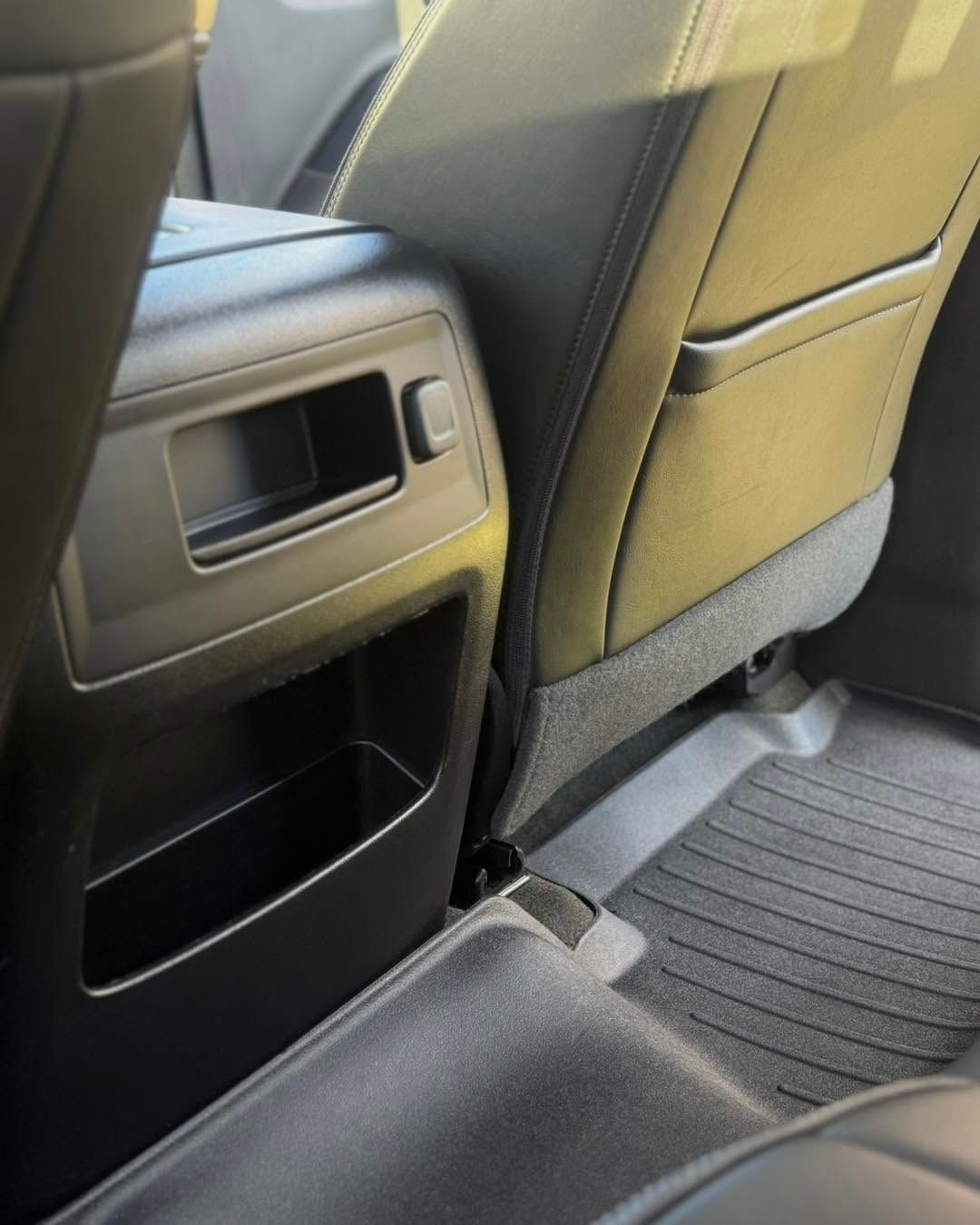
Odor molecules from smoke, pet dander, and organic spills settle deep into foam cushions, fabric backing, and the HVAC evaporator core, where they continue releasing smell into the cabin air long after the source is removed. Ozone gas is small enough to penetrate those same spaces, reaching odor compounds trapped in areas you can't access with brushes or extraction equipment. The oxidation reaction breaks apart the molecular structure of the odor source rather than covering it with fragrance, which is why treated interiors smell neutral instead of like a mix of perfume and underlying funk.
After treatment, you notice the absence of smell rather than a new scent—the interior smells like clean upholstery and plastic instead of stale smoke or wet dog. The difference is most obvious when you first open the door after the vehicle has been closed up overnight, which is when lingering odors are typically strongest because they've had time to build up in the cabin air.
Ozone treatment complements interior extraction services because cleaning removes the physical residue causing odors while ozone addresses the smell molecules that absorbed into materials too deep for liquid cleaning to reach. The treatment doesn't fix odors caused by active mold growth, ongoing leaks, or decomposing material still present in the vehicle—those sources must be physically removed before ozone will produce lasting results.
What Property Owners Usually Ask
Vehicle owners considering ozone treatment often have questions about how the process works and what it addresses.
What types of odors does ozone remove most effectively?
Smoke, pet, and organic odors respond well because ozone oxidizes the carbon-based molecules causing those smells, but synthetic chemical odors like fuel or oil may require additional cleaning methods.
How long does ozone treatment take to complete?
Treatment duration depends on odor severity—light smells may clear in two to three hours, while heavy smoke odor from years of use can require six to eight hours of continuous ozone generation.
Why must the vehicle remain sealed during treatment?
Ozone concentration needs to stay high enough to penetrate materials and oxidize odor molecules, so open windows or doors let the gas escape before it completes the chemical reaction.
How does humidity in Gloucester affect ozone effectiveness?
Higher moisture levels can enhance ozone penetration into fabrics, but they also mean interiors need longer ventilation time after treatment to ensure all ozone converts back to oxygen before the vehicle is occupied.
What happens if odor returns after treatment?
Returning smells usually indicate residue remains in areas ozone couldn't reach, like saturated carpet padding or contaminated HVAC components, which may need physical removal or extraction cleaning to resolve permanently.
Wyatts Detailing Services inspects interiors to locate odor sources and recommends whether ozone alone will work or if extraction and component cleaning should happen first. Contact the business to discuss persistent odor issues and treatment options for personal or commercial vehicles in Gloucester County.